Oxford Fabric Manufacturer from China



Oxford Fabric Material Explained: Types, Specs, Coatings & Best Uses (Buyer’s Guide)
January 1, 2026
If you’re searching for oxford fabric or oxford fabric material, you’re likely trying to answer one practical question: Is this fabric the right choice for my product? Oxford fabric is popular because it sits in the “sweet spot” of durability, cost, and flexibility—widely used in bags, backpacks, tents, luggage, workwear, covers, and outdoor gear.
In this guide, you’ll learn what oxford fabric material really is, how it’s made, the main material types (polyester, nylon, cotton), the specs that matter (denier, GSM, weave density), common coatings (PU/PVC/TPU), and a simple checklist for sourcing the correct oxford fabric—without expensive trial and error.
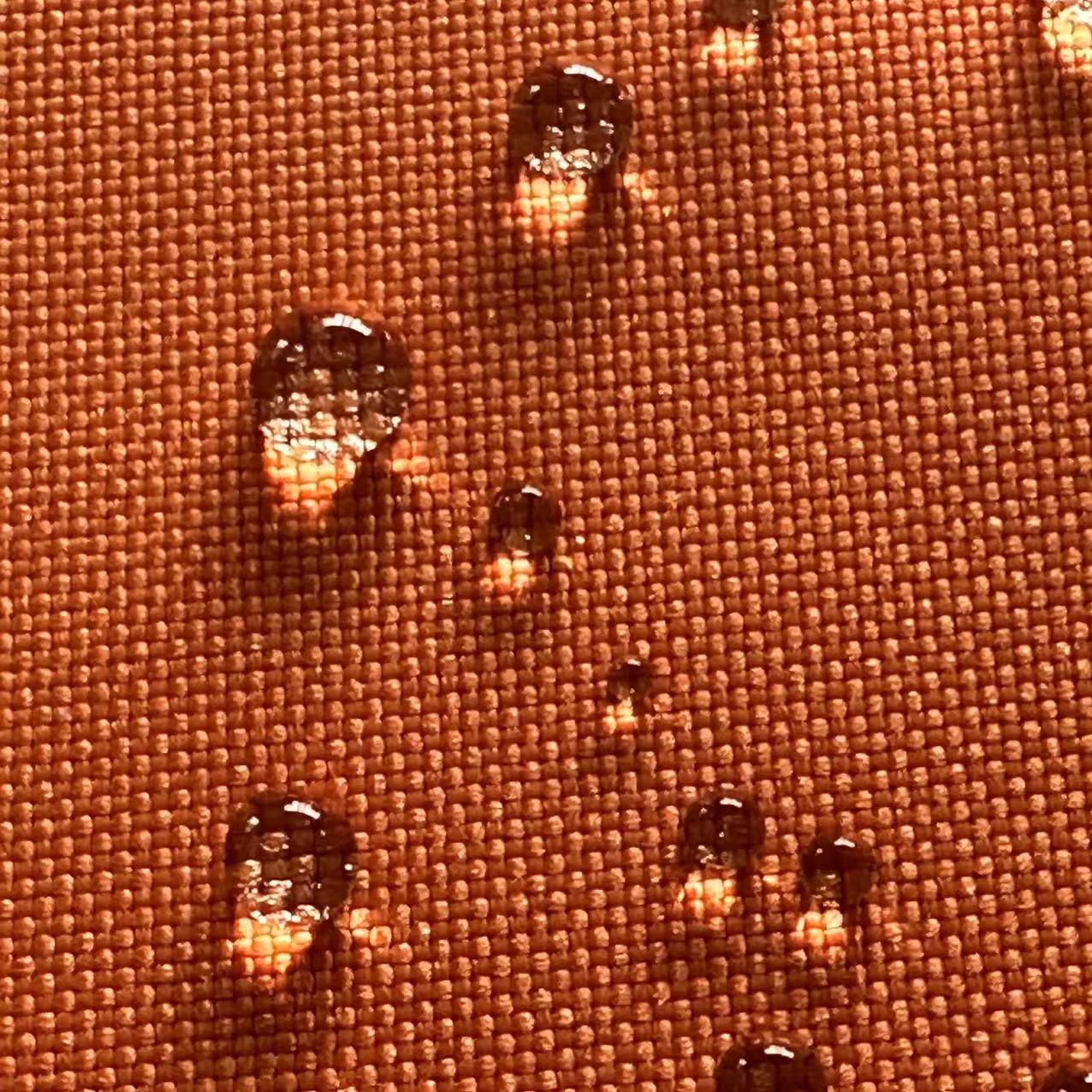
Quick Definition: What Is Oxford Fabric Material?
Oxford fabric is a woven fabric made using a basket-weave (or variation of a plain weave) structure that creates a slightly textured surface and strong, stable construction.
In modern industrial textiles, oxford fabric material usually refers to polyester oxford or nylon oxford, often with a PU or PVC coating for water resistance.
In one sentence: Oxford fabric is a tough woven textile with a distinctive weave, commonly made from polyester or nylon, and frequently finished for waterproofing and abrasion resistance.
Why Oxford Fabric Is So Widely Used
Oxford fabric became a “default” material in many industries because it offers:
- Good abrasion resistance for daily wear and friction
- Stable structure that holds shape well (ideal for bags)
- Wide range of weights from light 150D–210D to heavy 1680D
- Easy finishing: coating, lamination, printing, embossing, FR, etc.
- Cost-effective performance vs many specialty textiles
That’s why “Oxford fabric material” shows up everywhere—from school backpacks to outdoor canopies.
Oxford Fabric vs Oxford Cloth: Are They the Same?
You may see both “Oxford fabric” and “Oxford cloth.”
- Oxford cloth originally referred to cotton oxford used in shirts (classic button-down oxford shirts).
- Oxford fabric in industrial/outdoor markets usually means synthetic Oxford (polyester/nylon) for gear, bags, and covers.
So yes, the weave concept is related—but the material and use cases are often very different.
Common Oxford Fabric Materials: Polyester vs Nylon vs Cotton
1) Polyester Oxford Fabric (Most Common)
Polyester Oxford is the mainstream choice for bags, covers, and general outdoor products.
Pros
- Good dimensional stability (less stretching)
- Better UV stability than many nylons
- Cost-effective and easy to supply
- Works well with PVC/PU coating
Typical uses
- School bags, luggage linings, covers, and outdoor furniture covers
- Tents and canopies (depending on coating and construction)
2) Nylon Oxford Fabric (Higher Performance Option)
Nylon Oxford often offers higher tear strength and abrasion resistance at similar weights.
Pros
- Strong and tough, excellent abrasion performance
- Better “high-end” feel in many constructions
- Great for outdoor and tactical-style products
Typical uses
- Premium backpacks, motorcycle covers, outdoor gear, and technical bags
3) Cotton Oxford (Apparel-Oriented)
Cotton Oxford is mainly for shirts and uniforms, not heavy waterproof outdoor uses.
Pros
- Breathable, comfortable, natural feel
- Cons
- Not naturally waterproof; slower drying; lower abrasion vs synthetics
The Specs That Matter When Buying Oxford Fabric
When buyers ask for “Oxford fabric,” suppliers still need details—because Oxford is a category, not a single product. Here are the specs that drive performance.
1) Denier (D): 150D / 210D / 420D / 600D / 900D / 1680D
Denier indicates yarn thickness (not the same as fabric weight, but related).
Practical guidance
- 150D–210D: lightweight linings, light bags, tent inner fabrics
- 300D–420D: everyday backpacks, light covers, general outdoor use
- 600D: the “workhorse” for bags and gear (durable + affordable)
- 900D–1200D: heavier-duty, rugged products, high-abrasion areas
- 1680D: very heavy and strong, often luggage and high-end bags
2) GSM (Weight) and Fabric Density
Two 600D fabrics can feel totally different depending on density and GSM.
Higher density usually means:
- better abrasion resistance
- better water resistance (even before coating)
- stronger structure (but stiffer and heavier)
3) Weave Structure
Oxford is known for a basket-like weave texture, but factories may offer variations:
- Classic Oxford / Basket weave
- Plain weave “Oxford style.”
- Dobby textures for visual pattern
- Ripstop Oxford (adds a tear-resistant grid)
If your product needs higher tear resistance, ripstop Oxford is often a smart choice.
Waterproof Oxford Fabric: Coatings & Laminations Explained
Many people search for “Oxford fabric material” because they want something waterproof. Oxford itself is a woven base fabric; waterproof performance depends largely on the finish.
PU Coated Oxford Fabric (Most Common Waterproof Option)
PU coating is widely used for bags, tents, and general waterproof covers.
- Pros: good waterproofness, flexible, good value
- Cons: breathability is limited; heavy coating can feel stiff
Best for
- backpacks, rain covers, and tent floors (with appropriate coating level)
- general waterproof bags and covers
PVC Coated Oxford Fabric (Heavy-Duty & Budget-Friendly)
PVC coating is often chosen for tough, economical, highly water-resistant applications.
- Pros: strong water resistance, tough surface, good for heavy-duty use
- Cons: heavier, less flexible in cold weather (depends on formula), less “premium” handfeel
Best for
- truck covers, industrial covers, outdoor furniture covers, banners
TPU Lamination / Film (Premium Waterproof + Better Durability)
TPU is used when you want a cleaner look, good waterproofness, and stronger long-term flex durability.
- Pros: durable, modern feel, can be engineered for higher performance
- Cons: usually higher cost
Best for
- premium outdoor gear, higher-end bags, technical products
DWR (Water Repellent Finish)
A DWR finish helps water bead off, but is not fully waterproof by itself.
Often used on lighter Oxford where softness and breathability matter more than high hydrostatic pressure.
Common Uses of Oxford Fabric (By Category)
Bags & Backpacks
Oxford is one of the most common materials for bags because it balances:
- durability
- printability (logos, patterns)
- coating compatibility
- cost control
Typical picks:
- 600D polyester Oxford (PU coated) for mainstream backpacks
- 420D/600D nylon Oxford for more premium or rugged products
- 1680D for luggage panels and high-wear areas
Tents, Canopies & Outdoor Covers
For tents and canopies, buyers focus on waterproofness and UV aging.
Typical picks:
- 210D/420D Oxford + PU coating for tent floors or rainfly use (depending on design)
- Polyester Oxford is common for better UV resistance and stability
Workwear, Uniform Accessories & Utility Products
Oxford can be used in reinforcements, tool pockets, aprons, and utility accessories—especially coated variants.
Pet Products, Strollers & Home/Outdoor Gear
Oxford is commonly used in pet beds, stroller fabrics, storage boxes, and outdoor furniture covers due to:
- abrasion resistance
- easy cleaning
- waterproofing options
How to Choose the Right Oxford Fabric Material (Simple Checklist)
When sourcing for a new product, use this checklist to avoid mismatched specs:
- End use (bag body, base, cover, tent floor, canopy)
- Material (polyester vs nylon) based on durability, UV needs, and budget
- Denier range (210D / 420D / 600D / 900D / 1680D)
- Weight & density (GSM + weave tightness)
- Finish requirement
- water repellent (DWR)
- waterproof (PU/PVC/TPU)
- Target tests (water pressure, abrasion, tear/tensile, color fastness)
- Handfeel & stiffness (soft vs rigid; cold crack requirement for PVC)
- Color method (piece-dyed vs dope-dyed; printed patterns)
- Compliance needs (market-specific chemical requirements)
If you can answer these 9 points, suppliers can quote accurately and sample quickly.
Care & Maintenance Tips (For End Customers)
Oxford fabric products last longer when users follow basic care:
- wipe clean for coated fabrics; avoid harsh solvents
- wash gently and air dry if wash is needed (check coating compatibility)
- Avoid long-term UV exposure for non-UV stabilized products
- Store dry to prevent mildew (especially in humid climates)
FAQ: Oxford Fabric & Oxford Fabric Material
1) Is Oxford fabric waterproof?
Oxford fabric can be water-resistant or waterproof, depending on coating/lamination. PU/PVC/TPU finishes largely determine waterproof performance.
2) What is the best Oxford fabric for backpacks?
A common choice is 600D polyester Oxford with PU coating for cost-effective durability. For premium durability, consider nylon Oxford with a suitable coating.
3) What does 600D Oxford mean?
“600D” refers to yarn thickness (denier). Higher denier generally means thicker yarn and potentially more durability, but density and coating also matter.
4) Polyester Oxford vs Nylon Oxford: Which is better?
Polyester Oxford often offers better UV stability and value. Nylon Oxford can offer higher toughness and abrasion at similar weights. The “better” option depends on use and budget.
5) Is 1680D oxford always stronger than 600D?
Often stronger, but construction, density, and finishing matter. A well-made 600D can outperform a low-density 1680D in certain tests.
6) What coating is best: PU or PVC?
PU is common for flexible waterproofness and a cleaner feel. PVC is often heavier-duty and very water-resistant, frequently used in industrial covers and outdoor furniture covers.
7) Can Oxford fabric be used for tents?
Yes. Oxford fabric (often 210D/420D) with proper PU coating is used in tent floors and some tent components. Choice depends on waterproof targets and design.
8) Does Oxford fabric tear easily?
Oxford is generally durable, but tear resistance depends on material (nylon vs polyester), weave density, and whether ripstop reinforcement is used.
Contact Us for a Detailed Offer:
Company: Lean Textile Co., Ltd.
Website: https://www.oxford-fabric.com
Email: [email protected]
WhatsApp / WeChat: 008615051486055
Blog
Maybe you like also
Copyright © 2016-2024 Lean Textile Co., Limited All rights reserved

Service